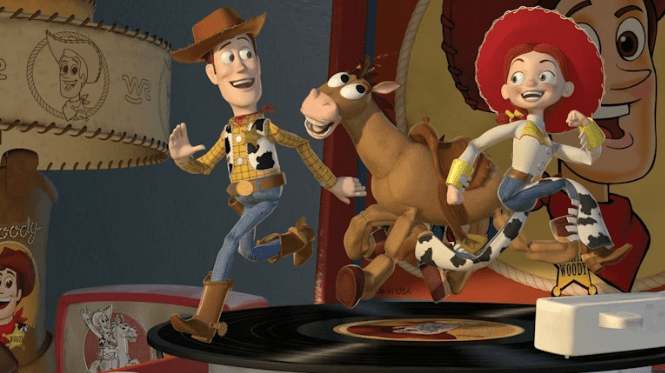
Howdy, and welcome back to my ever-dormant outlet for writing about anything that I can loosely tie back into film. So, one of my recurring series of write-ups has focused on reviewing every film from the innovative and long-renowned Pixar Animation Studio, and although they will continue to march on with upcoming sequels with the most blatant of motives (too many original movies can do that to you, unfortunately), I figured I would finish what I started.
Today, I’m going to rank every Pixar film – starting wit Toy Story up until Inside Out 2 – starting with the bottom of the metaphorical barrel and working our way up the ladder towards my favorite from their pristine catalog. To be honest, my list has been shuffled, re-examined, revised and lingered upon. I pieced together that the horse was dead after kicking it for what was, I assume, far too long. I’m just going to take a swing at it, even if my arbitrary hierarchy of the movies crumbles apart tomorrow. To preface with added context, the studio maintains such a high standard that the films are still relatively decent as early as #24. In a similar vein, their animation is always superb, so for the sake of conciseness I’m not going to mention that aspect unless it stands apart from the other films in some way, good or bad. And if you disagree with anything here, chances are you’re right.
KEEP IN MIND: There will be mild spoilers for numerous entries. If you are interested in checking any of these films out completely blind, tread with caution!
Let’s get rolling with…
28. Lightyear (2022)

For all five of you out there who have actually seen this, I willingly fall on my knees with the plea that we can all admit that Lightyear was a total waste of time. The animation, which is breathtakingly gorgeous throughout every film on this list, is arguably at its least impressive here. In its pursuit of pain-staking hyper-realism, the personality suffocates underneath the sleek, dispassionate polish. Nothing about this felt like an artistic vision. You can’t convince me that any writers or directors infused their own personal flair to the project. The Hail Mary identity twist was dead on arrival, the cast and characters leave no impression, and the story thoughtlessly copies off of Interstellar‘s notes. Hell, the conceit of the film barely checks out: this is an in-universe movie that propelled Andy to adorn his bedroom with Buzz Lightyear merchandise. Apparently the kid is very easily impressed.
27. The Good Dinosaur (2015)
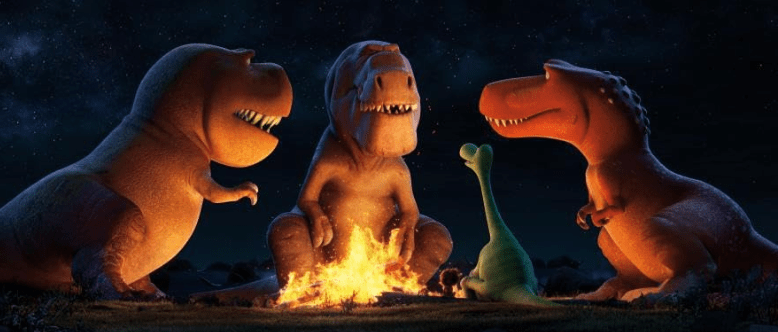
Throwing away any awe-inspiring or inventive stories you can utilize with “dinosaurs never went extinct”, The Good Dinosaur is overly devoted to playing every plot beat directly by the book that it drums up very little intrigue or depth. As a bog-standard western for young kids, it functions… hallucination scene notwithstanding.
26. Elemental (2023)

At least this one’s built up an appreciative audience, but in my eyes Elemental was a misfire (pun unashamedly intended). I feel bad, somewhat, since it’s clearly earnest. Still, in their ongoing efforts to breath emotions into unexpected entities, the creative heads formulated their most contrived concept yet: a city with a populace of personified elements. The idea irrevocably evaporated (*wink wink*) into little more than a gimmick while its clumsy metaphor fell apart at the seams. It’s ho-hum to watch, even when the central couple is just cute enough. I don’t buy their watered-down relationship, though, and for any romance that’s essentially a death sentence. So, yeah. Now, if only I could come up with an earth-based pun… then this entry would be rock solid.
25. Cars 2 (2011)
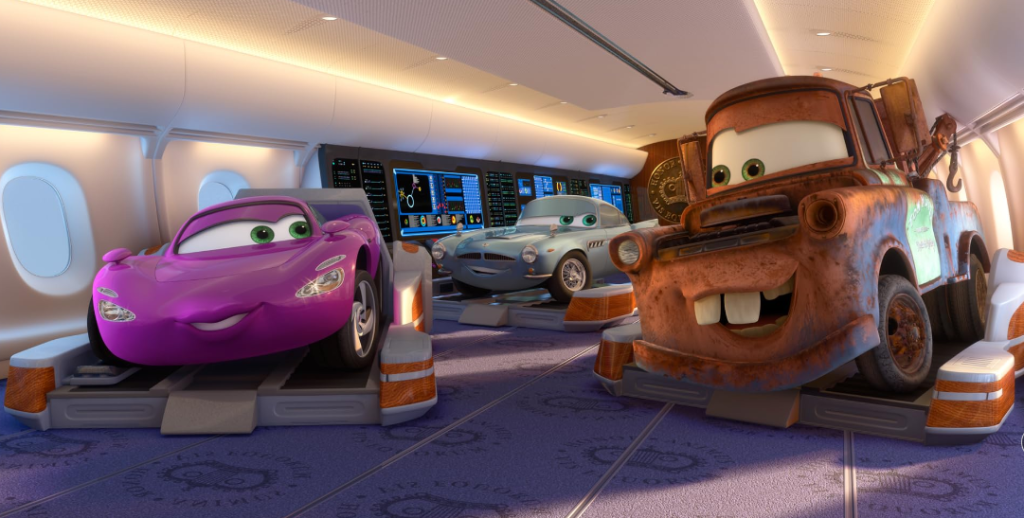
In one of the most baffling plunges from grace in Hollywood history, Pixar followed up a critically-acclaimed hot streak (for context, both Up and Toy Story 3 were nominated for Best Picture at the Oscars) with a Cars sequel that moronically (or, for politeness’ sake, boldly) positioned tow truck Mater as the unaware protagonist of a spy thriller. Leaning into arduous fish out of water comedy and a ludicrous plot targeting alternative oil, this installment is often considered the benchmark of Pixar’s failures but narrowly champed over the bottom three simply thanks to its ludicrous existence and its brisk action. If I am enduring a bad movie, it should at least have rockets, explosions, a torture scene and a ticking time bomb.
24. Cars 3 (2017)
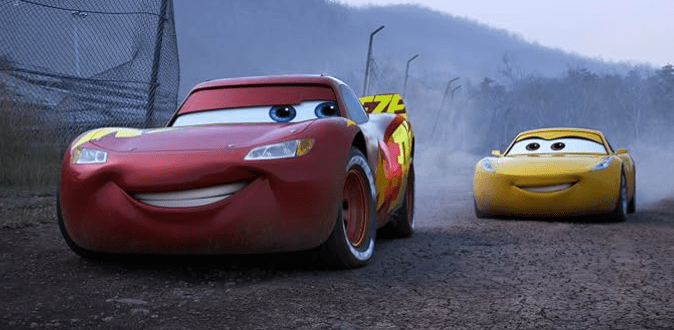
The mounting senescence of a now-tentative Lightning McQueen is touched on without a shred of self-importance. By extension, it doesn’t attempt to reinvent the wheel, almost apologetically so as it divorces the film further from the feverish crash-boom-bang of Cars 2. It does away with the small-town sentiment of the original, even. The routine narrative is bare-bones, but it frees up room to comment on the relationship between trainees and mentors, cohesive with the original film’s greatest facet. Still, when all is said and done, it’s really only about as good as a movie entitled Cars 3 would have been.
23. Brave (2012)
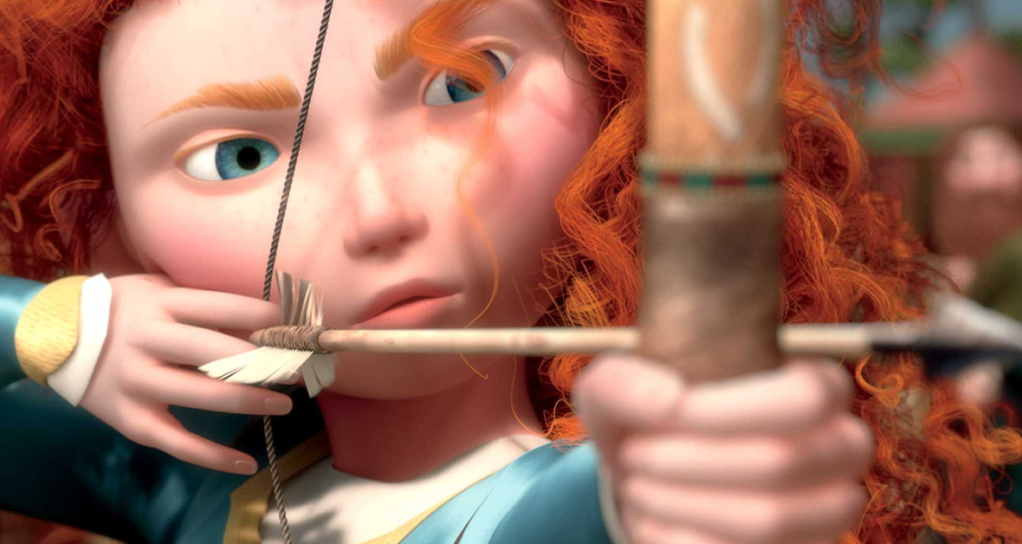
Taking a hand at the textbook narrative of a young princess longing to break out of her privileged cage, it’s difficult not to feel that this feels somewhat ill-suited to the studio. Not helping matters is the otherwise predictable proceedings veering off into a direction that encourages an eye-roll. This also has probably my least favorite characters of any other Pixar film, as apart from the fierce and strong-willed Merida everyone is either unmemorable or irritating. On the plus side, this boasts an atmospheric setting with its Celtic score, eerie folktales and gorgeous green highlands shrouded in mist. I also enjoy how the plot – in a refreshing change of pace – hinges on our protagonist majorly screwing up, where they are solely to blame, and having to then put in the effort to clean up the resulting clutter.
22. Onward (2020)

A glut of unneeded sequels and many accusations of resting on their laurels later, Pixar had a string of one-off originals, kicking off with the unassertive Onward. Establishing a fantasy world that fell into our modern trappings is engaging on the page, but doesn’t quite result in too many sparks. Instead, it’s more concerned around a road trip with two contrasting brothers and the disembodied legs of their resurrected father (sporting a Weekend at Bernie’s inspired upper half, no less). All the physical humor utilized with the sentient legs is amusing, and its emotional payoff is stirring, but the movie never soars.
21. A Bug’s Life (1998)
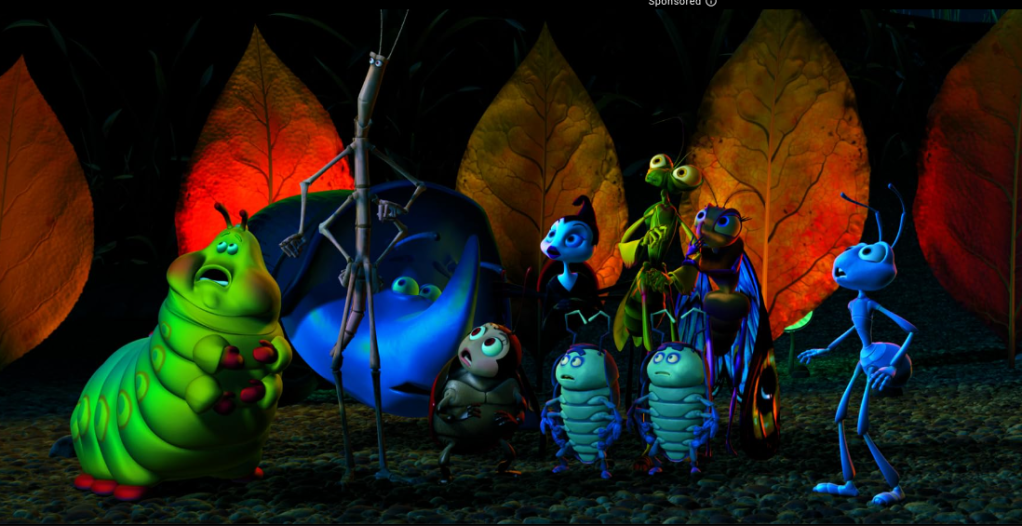
The studio’s sophomore effort settles in the lower half of this ranking not so much as a result of its charmingly old-fashioned universality and more because many of their following entries have surpassed it. As a whole, A Bug’s Life falls back on the overly familiar. Of course the bumbling social pariah gets ensnared in good-intentioned, snowballing lies trying to make up for a misjudgment. Naturally, the little guys triumph over their oppressors. The animation here that, for the original date, was state of the art has not aged with the same grace. It exists comfortably – and the bugs dabbling in faux-mutilations matches the distinct dark humor found in the proceeding Toy Story – but I can only discuss it for a moment before my indifference shows.
20. Incredibles 2 (2018)

Kicking into high gear roughly a couple of seconds after the final shot of 2004’s The Incredibles, the second go-around with the super family is far and away the most underdeveloped Pixar film by a gross margin. Exciting evolutions from the first backslide posthaste, leaving the plot to feel regressive, as is the villain’s convoluted plot to disrupt the reintroduction of the extraordinary crime-fighters. In a baffling case, writer-director Brad Bird almost sounds like he sides with the villain’s case, one which superficially sounds clever but doesn’t hold any ground (they condemn average joe-schmoes for relying completely on supers… ???) and to which our heroes have no voiced counter argument. The amped-up anticipation building towards this did the final product no favors, either. Throughout the shaky plotting and dissolved potential, Incredibles 2 is not without its moments: the intrinsic hilarity of the intemperate, über-dynamic baby Jack-Jack (and his brawl with a panicked, pilfering raccoon, naturally!), the vigorous action sequences, and devoting a fair majority of its heavy lifting to Helen, a.k.a Elastigirl, an inspired choice that paid off in spades. Plus, more Edna Mode is always a treat, dahling!
19. Turning Red (2022)

Among the recent efforts to display evocative adolescent struggles from the studio (Onward, Luca, and the Inside Out duology), it’s undeniable that Domee Shi’s Turning Red is a labor of love. It’s deeply personal, awash in cultural context, and boundless in its personality. The animation takes a more cartoony approach, excelling with its expressiveness. I want to love this movie, truly, although what holds me back can’t be fully blamed on the film. I related to moments here and there, but on the whole I connected with the tempestuous relationship between mother and daughter and the pressure of holding together a double life very little. Other flaws I have include the momentum gradually sputtering out and the overwrought climax, in particular.
18. Toy Story 4 (2019)
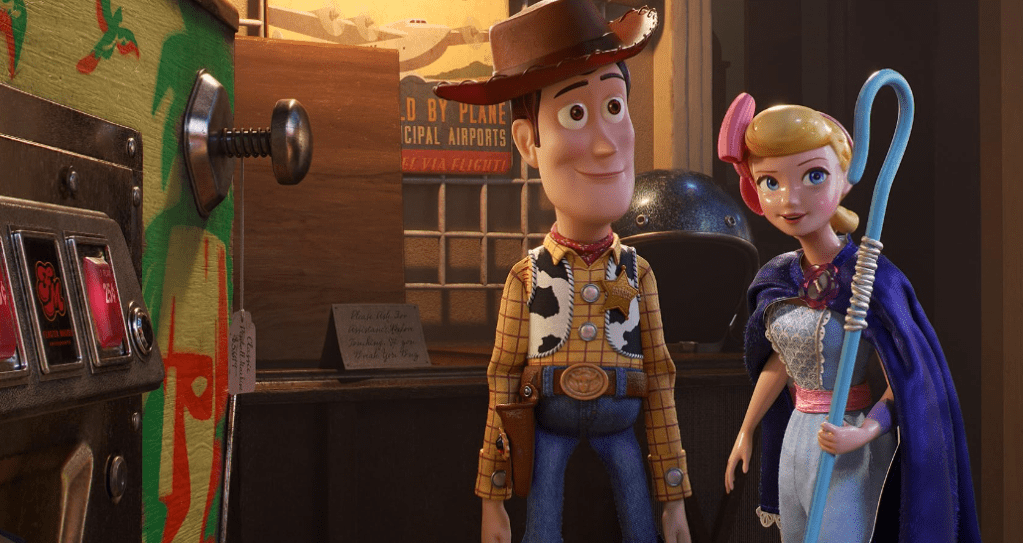
Stirring an eruptive outcry that cut off the movie’s legs as early as the teaser, Toy Story 4 is masterfully crafted and ultimately doesn’t do much to corrode the trilogy’s tidy ending. Then again, it doesn’t do too much of anything. The cash cow passes, even if only by the skin of its teeth, with a unique carnival / antique shop setting, diverting secondary players (Keanu Reeves’ Canadian stuntman is a riot), and the existential terror a newly-adorned plastic spork cross-examines. Whether this was the unlikely home run that fully rounded out Woody’s progression or not, I honestly haven’t reached a position, but it is engaging to see a character as steady and stubbornly planted in his convictions as Woody looking inward, feeling that his worth is long fulfilled and his position in life aimless.
17. Finding Dory (2016)

Never has the tantamount mirroring between a film and its sequel been more apparent then it is in Finding Dory, not helped by the screenwriters retreading plenty of gags and moments you could have sworn you’ve seen in Nemo. The adventurous scale felt flimsy and unconvincingly convenient here. Having said that, it is a lot of me to ask to somehow heighten traversing across the overwhelming, obscure majesty of the ocean. To steer away from unfairly leaving this a victim of comparison, I thought the exploration of themes regarding disability and memory was handled nicely, culminating in a masterwork of visual storytelling. Once again, you’re going to need a Kleenex box on standby. Hank, the antisocial septopus who eventually opens up his heart, is probably the only character I’ve seen (sea animal or otherwise) whose motivation is to go live in Cleveland, Ohio. I just thought that was funny.
16. Monsters University (2013)

Mired by the perpetual looming of frat house antics, I feel as though Monsters University‘s efforts to fill in Mike and Sully’s backstories was nevertheless worth the glance and sufficiently added to their roles from the first. It’s easy to lose oneself in the passable team building and the chafing egos that run on for a substantial duration of the middle, but it has a killer resolution: a sympathetic and cathartic deconstruction of the worn-out success story, where a plucky protagonist fails to measure up to their faraway ambitions.
15. Inside Out 2 (2024)
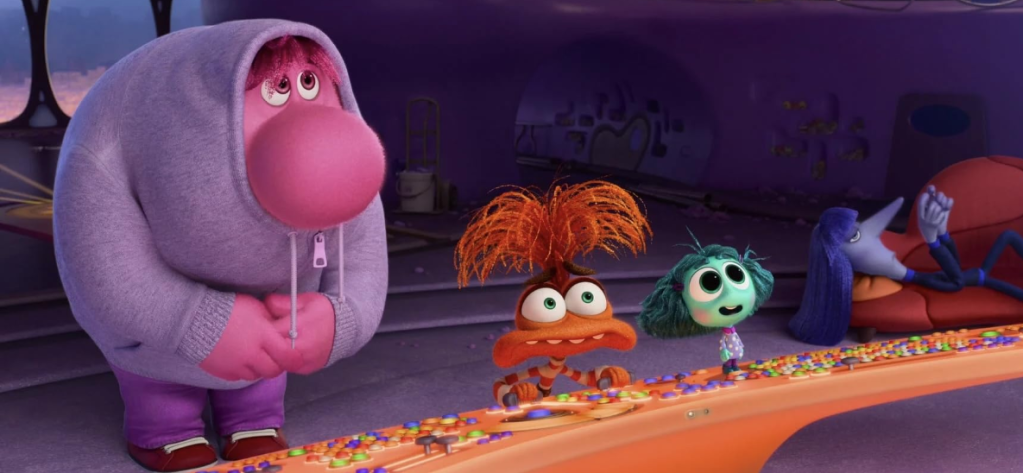
Their most recent performance where I’m at, Inside Out 2 is another surprisingly not-awful follow-up for a film of theirs that didn’t need it. This suffers from the oh-so-common sequel dilemma of emulating the original plot beats to repetitious extent, but it maintains a strong sense of visual fidelity and back-and-forth, while the arrival of the doggedly hectic and misguided Anxiety puts the emotion’s overreaching control into perspective. From the brain storm of swirling bulbs to the containment of all the bygone childhood fixations we would much rather ignore, it delivers a slew of fun creative gags that bring to mind the interminable opportunities of Toy Story, on top of mixing up the dynamics established before.
14. Cars (2006)
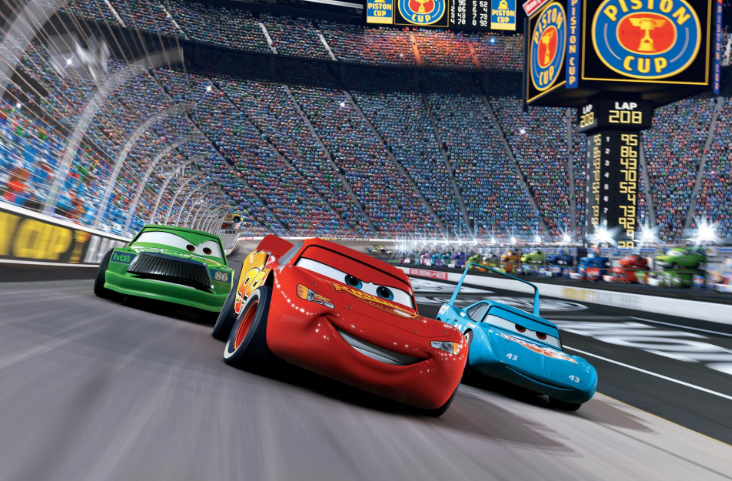
Rising athletic superstar accustoms to small town livin’ in the laconically-titled Cars, an endeavor that doesn’t need to concern itself as much with excelling story-wise when the merchandise alone guarantees a financial winner. It’s a decent time viewed through rose-tinted glasses, and portrays, ironically, a reminiscent longing for lapsed Americana. At the very least it gets brownie points for having the daring to center around someone not fundamentally benign or big-hearted (Woody from the classic Toy Story is the only other contender, though Inside Out‘s domineering Joy is in the hot seat). Plus, I don’t care, that soundtrack is stacked.
13. Soul (2020)
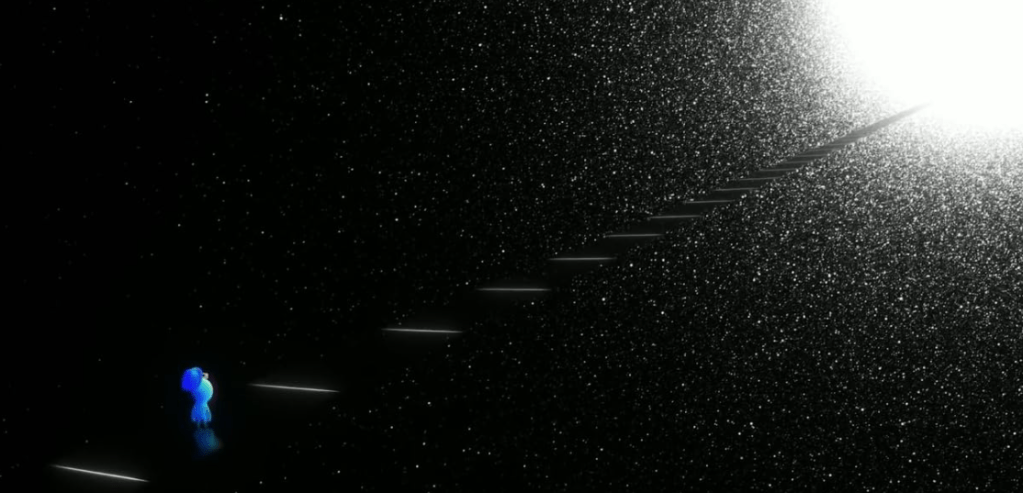
What I secretly hoped could have been an incredible slice-of-life made electrifying and robust through animation instead meanders off into the metaphysical realm, a place that fittingly doubles as soothing and somewhat unnerving. The entire middle section – thoughtful conversations between Joe’s fortuitously hijacked body and his numerous acquaintances aside (okay, there’s a great joke in there about the New York Knicks, too) – is a little underwhelming. Another shortcoming worth a mention is that the pay-off to Tina Fey’s irreverent soul feels hurried, while the last minute switcheroo might be perceived as a cheap sidestep. Still, the film takes an admirably massive swing by touching upon the human condition and the true purpose of our lives, and the tuneful accumulation of those themes is within Pixar’s most achingly profound.
12. Luca (2021)
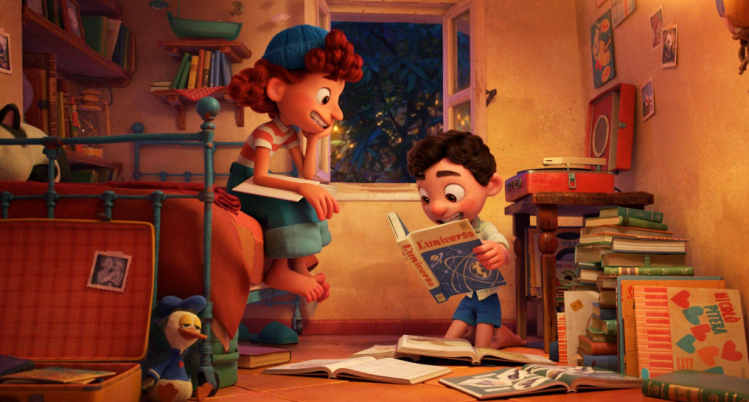
Luca largely does away with the grandiose, abstract ventures and misty-eyed emotional sucker punches Pixar is notorious for. In its place is an adorable assortment of vignettes depicting relaxed adolescence, only with the wrinkle of our two sportive leads being disguised sea-monsters. To be honest, I approached this with expectations tempered, but caught myself consistently charmed. Worth mentioning is how mundane the kids’ utmost goals are in both this and Turning Red – owning a reasonably priced Vespa scooter and attending a once-in-a-lifetime boy band concert, respectively – which I feel plays into the casual magnetism. As if my compliments weren’t already rapturous, this is in definite competition with the Land of the Dead presented in Coco for most lived-in locale, as well.
11. Inside Out (2015)
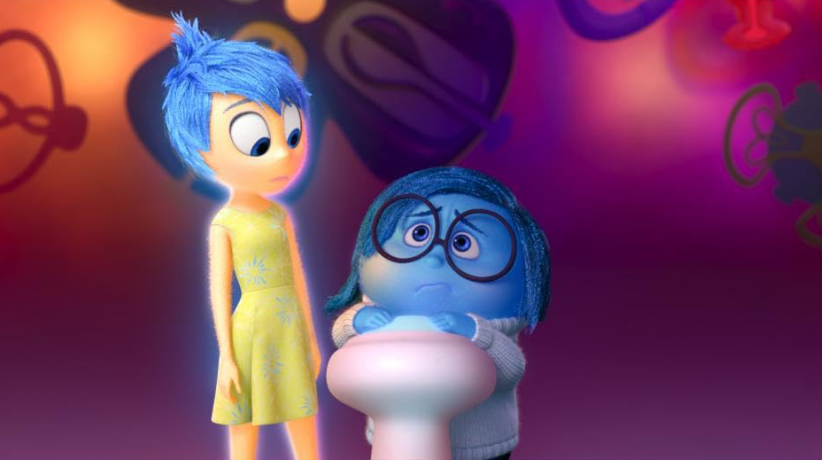
Pixar snapped out of a streak of ill-received movies with this conceptually-driven, microscale powerhouse. An argument could be made that this may have only received glowing write-ups of second coming of Christ proportions directly due to that losing streak, but I sincerely feel like it was cleverly explored and, yes, deeply emotional. Frankly, the inventiveness as it stands is deserving of the acclaim, not solely for the meticulous flourishes but for the visual language that helps young audiences wrap their heads around complex cerebral ideas. The casting of the emotion quintet is dead-on with the likes of Amy Poehler and, most riotously, Lewis Black representing Anger. And you can’t overlook the comedic highlight of the maintenance workers routinely plaguing the head honchos up in headquarters with a television jingle. It would be a shoo-in for their last decade’s most exceptional triumph but for two things: a fool’s errand that weighs down its already slapdash second act, and the overall tonal messiness, an issue that rears its ugly head in many of writer-director Pete Doctor’s projects (Soul and Up).
10. Coco (2017)
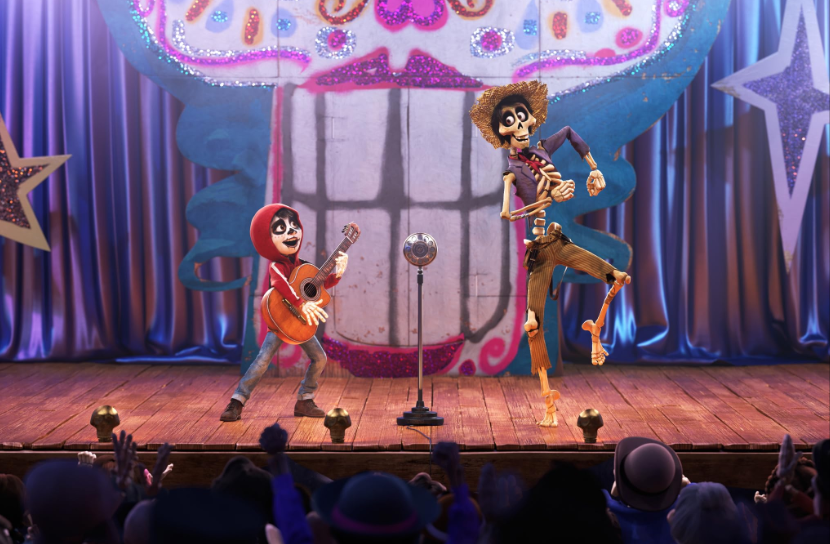
My pick for the studio’s strongest outing of recent years perpetuated many of the untidy midsections that askew too many Pixar features, but when it eased into a steadier pace it worked wonders. Foremost, it’s a celebratory tour through the gripping culture of Mexico, leaving very few stones unturned and painting it all in a rich, radiant palette. Par for the course, it doesn’t exactly take a genius to piece together the never-meet-your-heroes reveal, yet the sweeping journey of encompassing generations consistently keeps viewers on their toes. The opening stretch building up to Miguel’s admittance into the breathtaking Land of the Dead winds up languidly, but from there on out it is a joy, capped off by an irrefutable tearjerker right when you thought you would walk out of the experience without welling up.
9. Toy Story (1995)
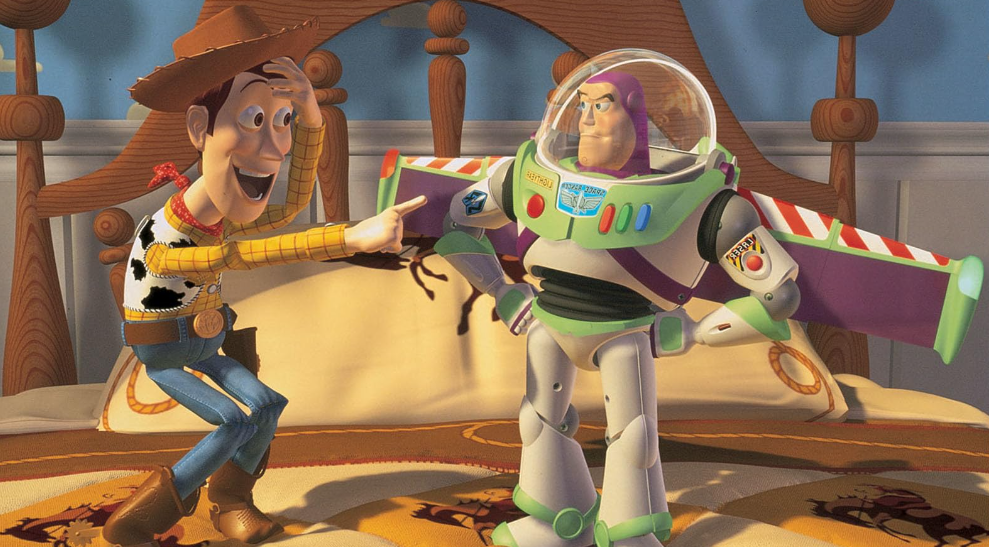
Instantly hailed as a phenomenon, Toy Story at the very least deserves kudos for laying out the foundation for animated films to delve beyond musically-driven folk tales. Maybe more than anything is the years and years of bullish imitators that – with the modest exception of the stinging spoof Shrek – never fully distinguished themselves. Best of all, the story is indeed one that could only be told from the perspective of toys, as action figure entrant Buzz Lightyear, tricked out with gizmos and under fallacious cosmic duty, inflames the rancorous envy of ace-high cowboy rag doll Woody. I just adore that an excellent, hilarious film exists that stars both a cowboy and a space man alongside each other. Before I continue forward, I have to admit it’s so fascinating to me that kids growing up around the time of the Toy Story films likely had to confront anxieties that not only are their toys having discussions in their absence, but they may also have the potential to be spitefully jealous towards each other and are devastated when you unceremoniously forsake them.
8. Up (2009)
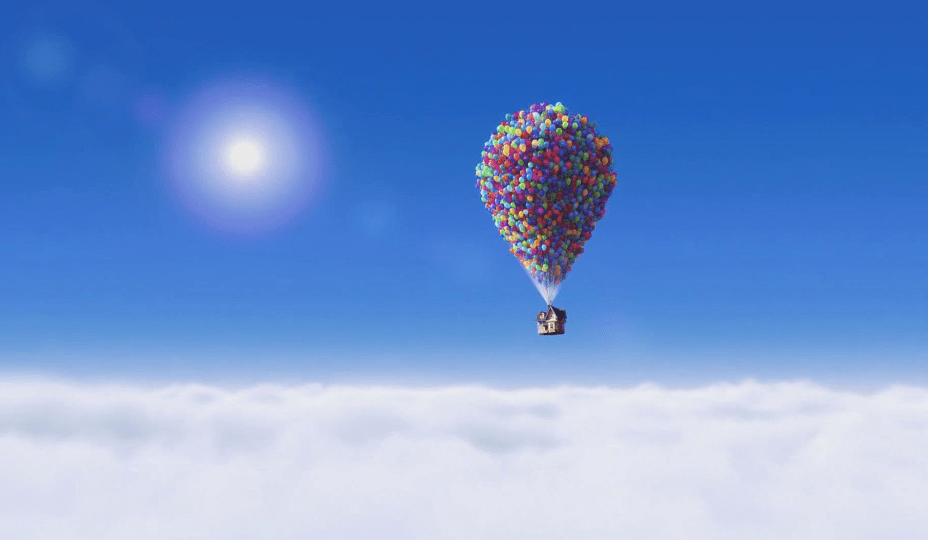
I get the accusations asserting that the oft-unvoiced Married Life montage – possibly the single greatest scene an animated film has ever aroused – set the bar to heights the rest of the film could never rival. So staggeringly was the eventual escalation into armies of talking dogs aboard a drifting blimp that it’s difficult to have faith that Up would stick the landing. And yet, it delivers. The thrilling adventure that whisks away curmudgeonly Carl Fredricksen (shout out to the magnificent Ed Asner) rides the line between fanciful and menacing with exhilarating cohesion. What entirely diffuses this from being an otherwise surefire contender for the prestigious top five is how loosely the remorseful ruminations at its core are woven into the adventure. On one last note, even by the standards of his own captivating career, the musical score here from the virtuoso Michael Giacchino is his masterpiece.
7. The Incredibles (2004)
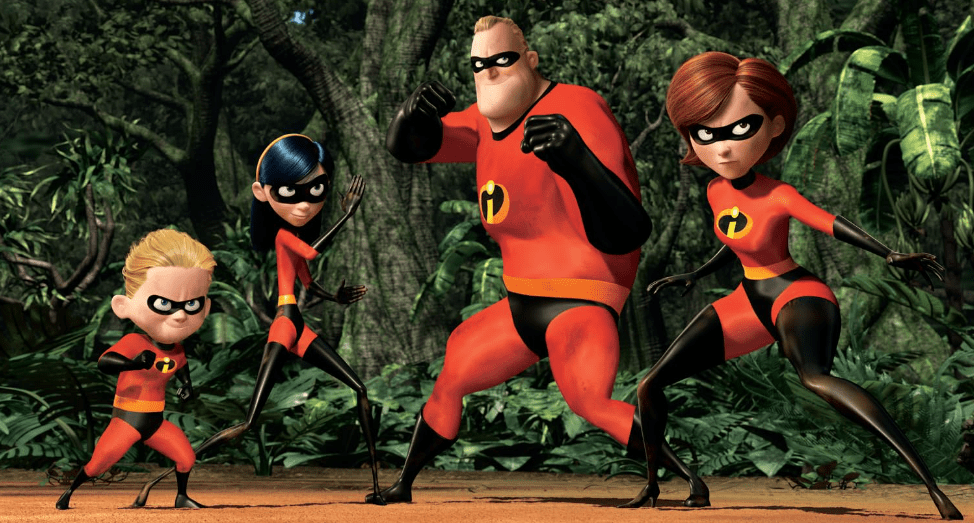
A razor-sharp overhaul of the superhero subgenre long before those sorts of movies swamped the box office, Brad Bird’s The Incredibles packs a whole lot of power into such a compact package. Simmering underneath the surface of formidable action is a stellar plot: a middle-aged man, ripped away from his vocation, falls back into old habits and, in the process, embroils his family in the perilous plot of a megalomaniac he had an unintentional hand in forming. It deftly and brilliantly tackles its baseline themes, yes, but it is the gutsier of those beats that jolts the film; it grapples with a midlife crisis, illustrates a failed suicide attempt, makes wink-wink allusions to infidelity and a revitalized sex life, and hauntingly showcases a curve ball villain whose fifteen-year grudge prompts an unrelenting string of murders on Mr. Incredible’s former colleagues. Stealing the show, humorously enough, is assured fashion designer Edna Mode in an unforgettable minor role that hammered home the impracticality of capes.
6. Toy Story 3 (2010)
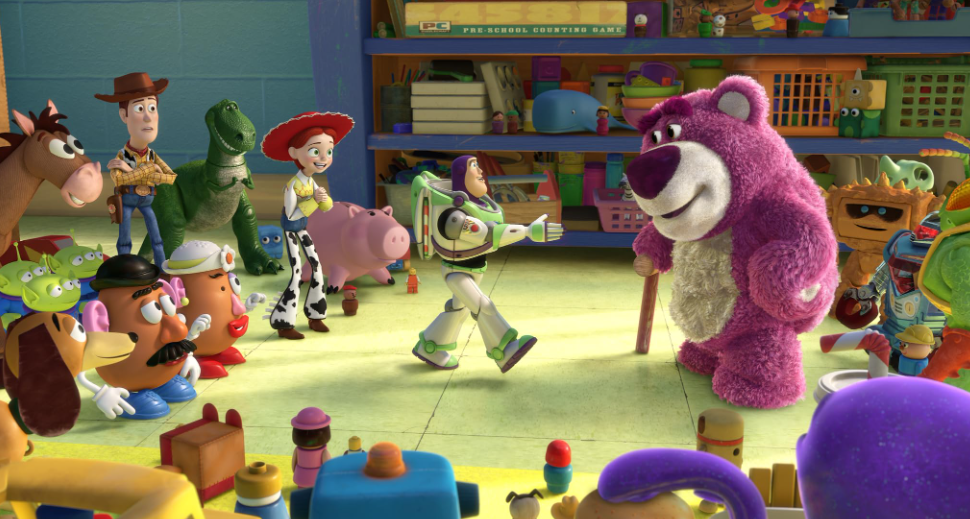
The creeping anxieties of eventual abandonment that were touched on in Toy Story 2 are finally faced as Andy’s toys – whittled down and long-retired – land in a daycare under a tyrannical command. It marvelously propels the adventure aspect of its predecessor, tossing the characters into a harrowing, prison break-style plot, while amplifying the sentimentality to heart-rending extremes. The whole cast gets their moment, and the villain is one of Pixar’s most decidedly sinister. Truthfully the only thing holding this back from a perfect score are a pile-up of holes poked throughout (How did the aliens get to the claw or even know how to operate it? How did a television set crushing Buzz revert him back to normal? How did Slinky Dog get down from the magnetic ceiling conveyor belt? etc.) I also personally don’t care much for Buzz en Español, which was funny at first but wore out quickly. Mr. Tortilla Head, on the other hand…
5. Toy Story 2 (1999)
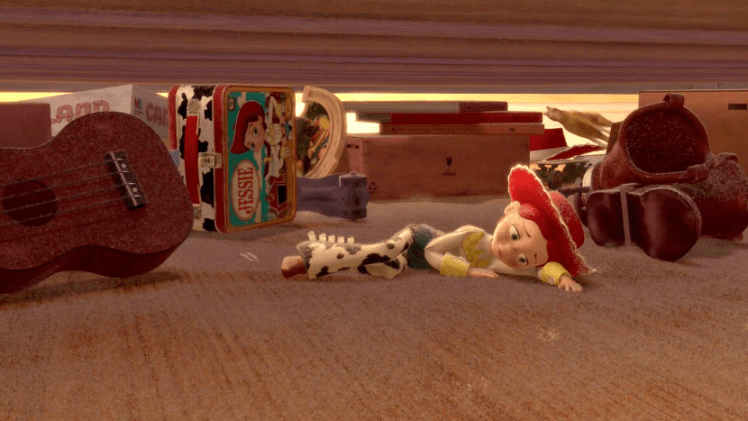
My opinions towards the Toy Story trilogy shift around all the time because they are all of interchangeably pristine quality. But, hey, I’ll champion Toy Story 2. The themes here are nuanced to the utmost degree as we are hurdled into a dilemma where there aren’t easy answers and Woody is torn. Now that I think about it, is the imagery of Woody’s right arm – rendered limp by a sudden snag – a visual nod? Even so, the follow-up curbed the persistent notion of a sequel’s inferiority with more laughs, an absorbing meditation on the inevitability of time chipping away, and a slew of set pieces so memorable that it reaches Finding Nemo levels (yard sale, crossing the road, cheese puff mine field, the Barbie aisle, the airport, etc.). Moreover, it’s a delight to touch on novelties such as black-and-white adventure serials, collectors dedicated to toy memorabilia, and Toys “R” Us-esque retailers that tickle our nostalgia bone. Most vitally, how could one forget Jessie’s backstory, set to the stunning voice of Sarah McLachlan?: a moment of dejected candor that pioneered Pixar’s propensity for tearjerkers. Toy Story set off the modern computer animated era – illustrious, absolutely – but it was the sequel that proved that Pixar would have staying power for its emotional resonance.
4. Finding Nemo (2003)
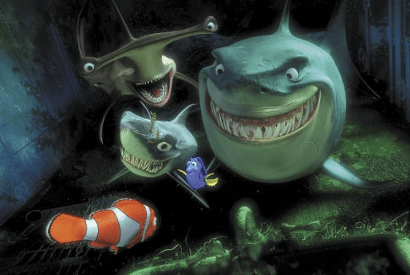
Encapsulating each of the hallmarks of a Pixar paragon, the breadth, vibrancy, and hazy ambiance of the gorgeous deep sea undertaking Finding Nemo is a definite all-rounder. Something about the feat feels simultaneously delicate and crushingly massive while Marlin, a total bundle of nerves, strains himself to locate his abducted son. To revisit this tremendous achievement is to notice that its scenes have lingered in the back of our minds, from abstaining sharks to surfer-brah turtles. Also deep-seated is feeling the pangs of a cheery blue tang who is unaware of all the loved ones and experiences that have eluded her and a introverted clownfish appalled by the presumption that he has nothing left.
3. Monsters, Inc. (2001)
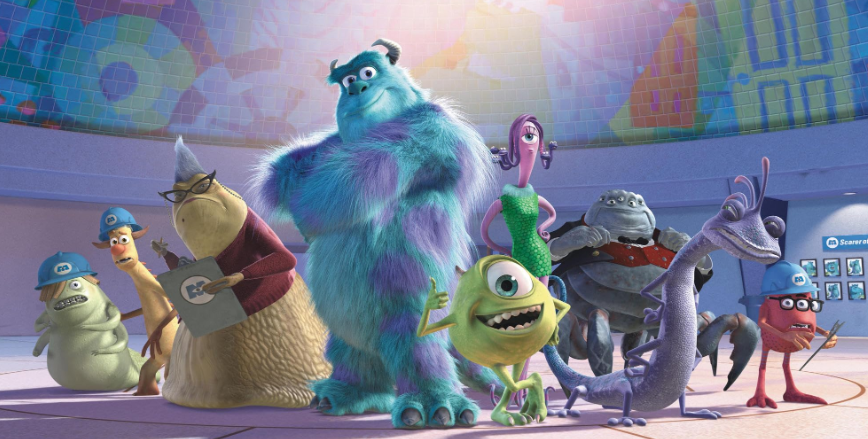
The world developed for Monsters, Inc. is so insanely imaginative that it astounds: the dreaded monsters that lurk within children’s closets are simply on their nine-to-five, working for an electrical plant that powers its city via human screams collected in golden-yellow canisters. Seriously, who comes up with this stuff? The film itself is perhaps the best instance of balancing laughs, character, and intrigue, reinforced by an unsnarling conspiracy, one that cleverly employs the twist villain trope by mitigating any hunch with the sneering presence of a more evident evildoer. And in a sphere of films with outstanding odd couples each with the validity to secure top spot, I’ve got to give it to Sully and Mike, who effortlessly maintain the sort of authentic back-and-forth that recalls classic straight man / wise guy comedy duos.
2. Ratatouille (2007)
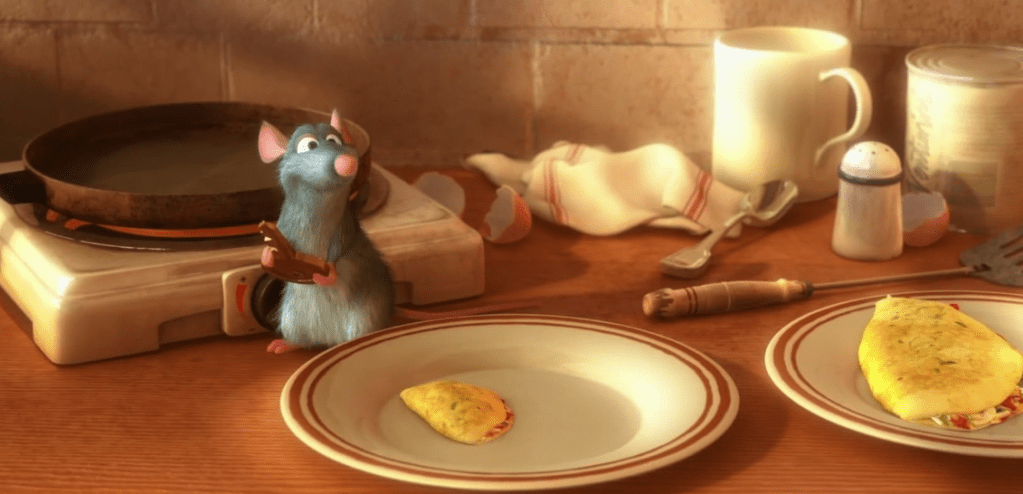
After initially seeming to thwart what promise it had with, of all things, a hashed out voice-over narration from the lead character, Ratatouille achieved the unthinkable by somehow telling its absurd premise with the intelligence and depth of a thoughtful indie film. Slowly but surely, it emerged as a sensation, thriving in being a gripping study of both the societal and familial expectations towering over artists as well as the predatory managers hungry to callously, undeservedly profit off of their talent. Boasting some of cinema’s most ingenious physical comedy and a Parisian atmosphere that dazzles, Ratatouille is a comfort dish I am always eager to return to, massively inspiring as a creator and humbling as a pessimistic critic.
1. Wall-E (2008)
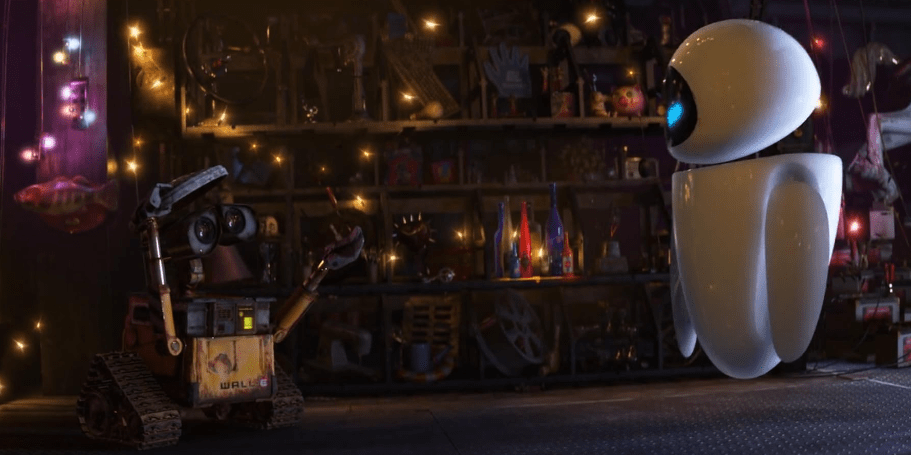
Here we are: my personal favorite. It may not possess the seminal nostalgia of Toy Story or the inventive world building of Monsters Inc., but it strikes a chord with me on a level unlike any other. The stomach-turning backdrop of our desolate Earth polluted by rife consumerism, and that same avarice mindlessly continuing long after, doesn’t seem to promise much beyond dismal. Yet, in the face of human horrors, a charming little robot brings life. He scrapes by in the lonesome, organizing his baubles, refurbishing worn-out parts, and yearning hopelessly for a mechanical hand to hold. WALL-E is soon spirited away to a galactic cruiser carrying the planet’s corpulent populace, their eyes glued permanently to their screens. I feel like this is where the film loses a lot of people, but I still enjoy it a ton. The manners in which WALL-E ignites those around them – such as the faulty androids rebelling, a pint-sized bot entirely obsessed with mopping up the trail of dirt left behind, and the initially glazed captain feeding into his curiosity and growing more and more passionate about Earth and its bygone culture – range from adorable to rousing. The main antagonist being a coldly rational, draconian artificial intelligence really is the cherry on top. Wall-E juxtaposes a bleak future with a tender heart, showing that, even in the darkest of times, there remains beauty, tenacity and love.
Well, there’s my list! I’m tired. This was waaayy to long, dude. Thank you for reading until the end; it means a lot to me.
 Lighttrain Reviews